How I Slice It
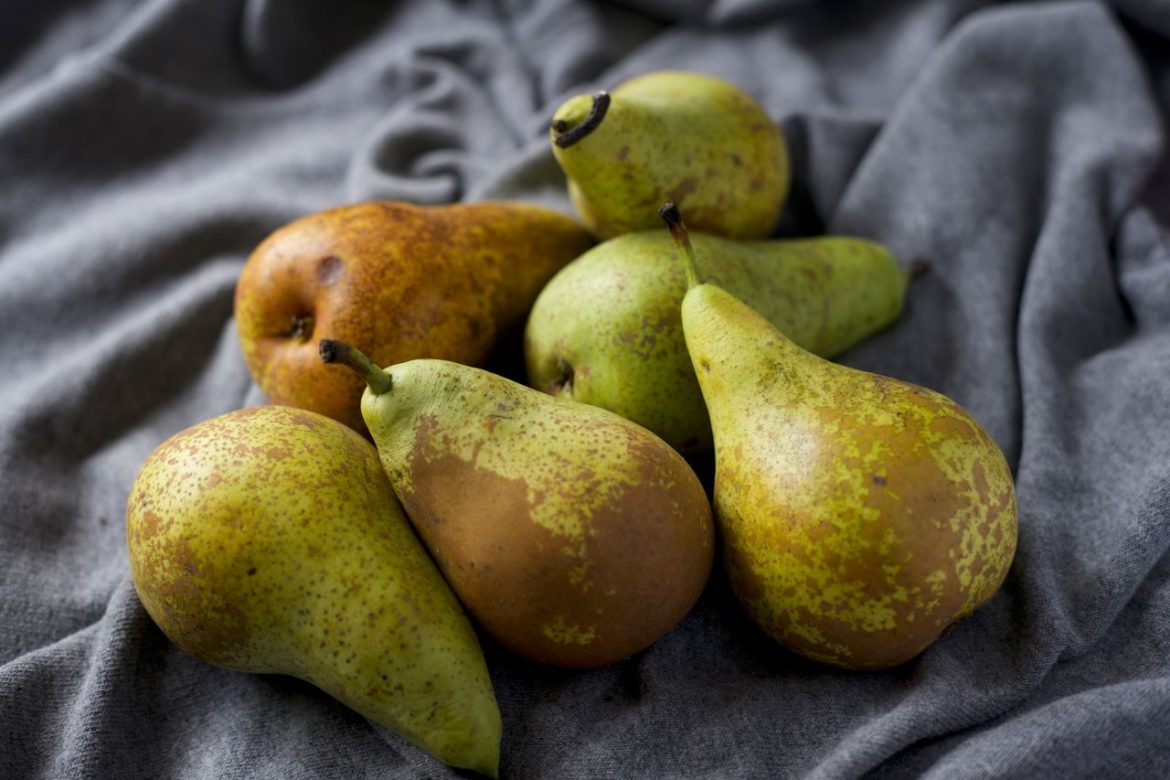
The pears on my counter are blushing, ripening.
Picking one up, I imagine their journey and all the hands
that cradled them before they made their way here
They were grown, quite likely, nearby in Kelseyville—
lauded as the pear capital of the world
But unless I venture from Kelseyville’s Main Street
I won’t see thriving pear orchards planted generations ago
I won’t see beyond the fruits’ alluring shapes and colors…
The delivery truck driver who unloaded
an impressive haul of pears at the grocery store
produce department employees who unpacked
arranged an inviting selection
Pear sheds where thousands of these stemmed jewels
were sorted, packed, readied for shipping
Hands efficiently plucked one after another, row after row
farmers, laborers who nurtured, tended each tree
families whose toil preceded tractors
who married pear seeds and saplings to rich soil
I consider further back still, centuries and millennia
the earliest stewards of these lands…
In a day or two I will savor and share
these pears I didn’t grow.
Our Voice
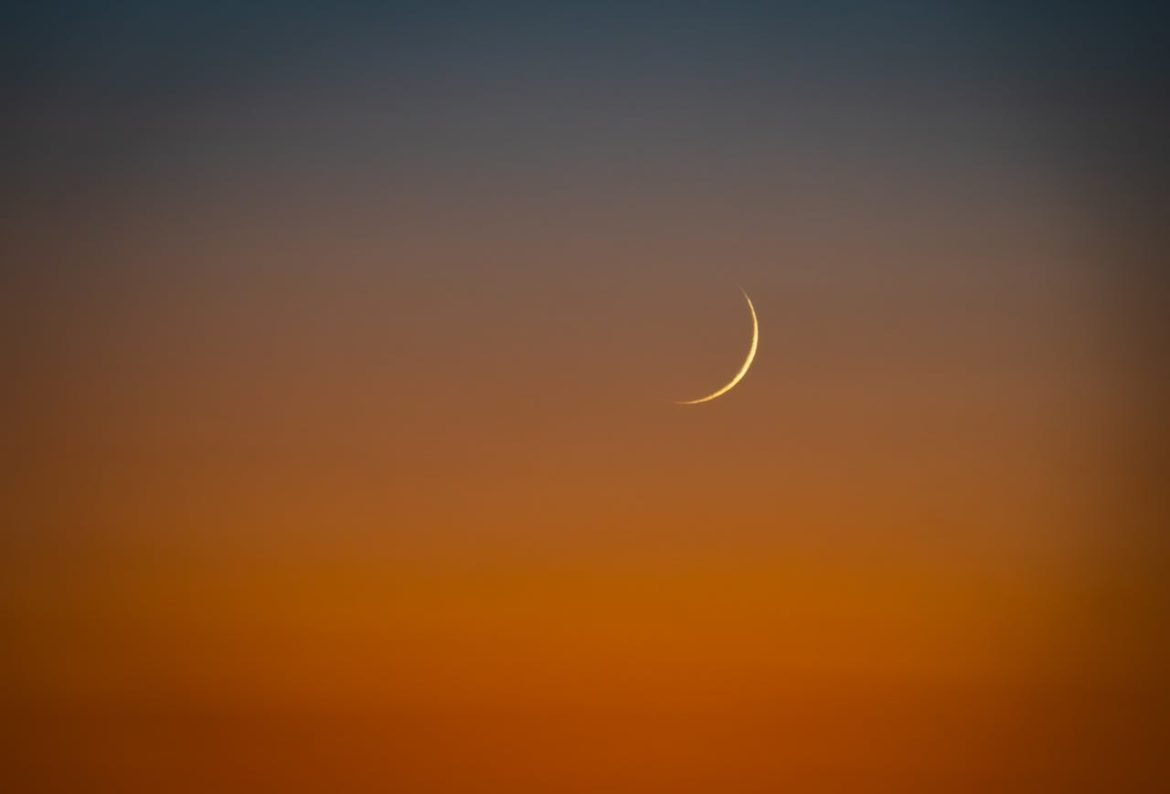
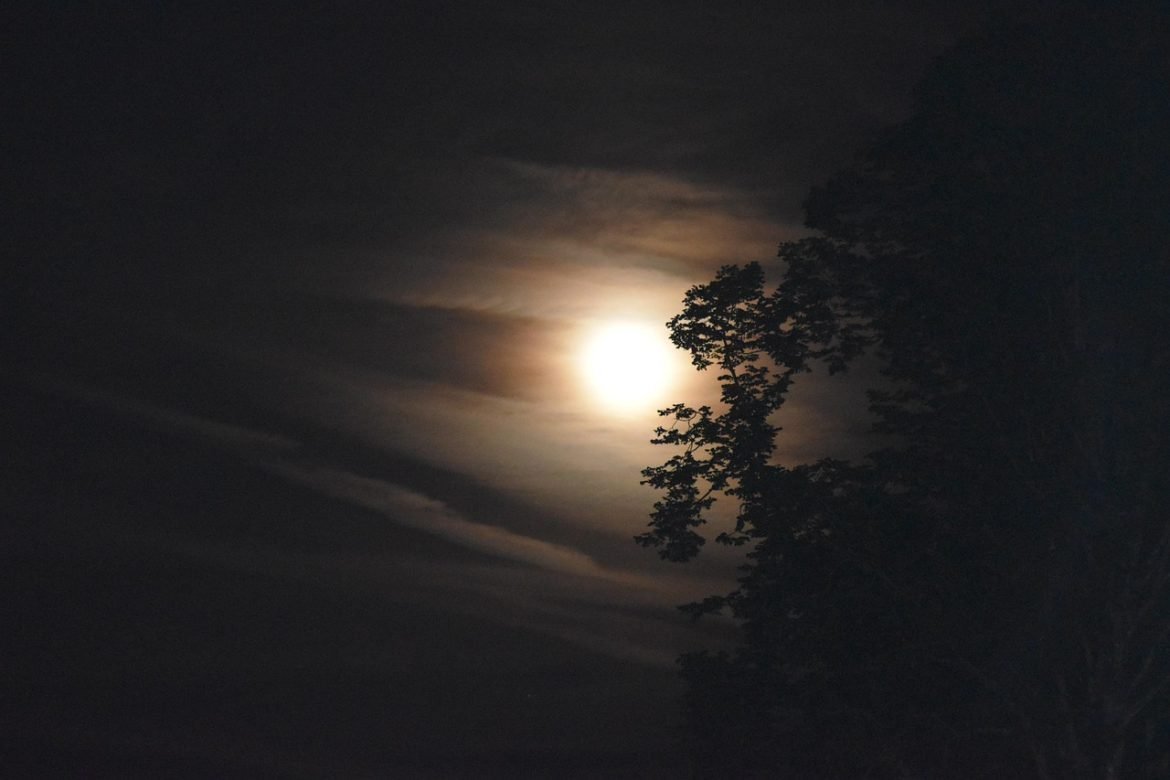
Moonrise, Return
You are Sunrise.
Dawn whispering
Against windowshades,
Brushing night from the sky,
Lifting like a smile
Arching across ridgelines
Of cedar, pine and fir
Glowing in glory,
A crown of delight.
You are Moonrise.
A susurrus ascending
Into softness, etching
Cream against
Fall leaves still
Clinging to August,
Filling the last shades
Of sunset with indigo
And silence.
You hold me in my sleep,
Quilt me in your arms,
Whisper a soft promise
In my drowsing ears
To look for you in
The gentle lift
Of morning's curtains.
Singing Through the End
after Christina Gosnay
When two dead languages can meet, they sing.
They find, describe, all that’s sweet. They sing.
Let’s offer them our lungs, complete the choir.
Through wilted spine and sure defeat, we sing.
Across all continents and boulevards
let’s dig and build a new drumbeat, we sing.
The clocks tick tock but some new buds still bloom.
By want and wander we retreat, we sing.
When all our words have burned and turned to Ash
we might still find the time to greet—we sing.
About the Authors: This poem was a collaboration between two poets. Ash Kemp drafted it during the Tupelo Press Poetry Marathon, and Lauren Oertel revised it (including turning the free verse draft into a ghazal) through techniques shared in her Poetry Revision Workshop Summer Series.
The Worth of an Ordinary Life
Today we chase a life that seems great
and fear that our own lives are falling behind.
We measure ourselves by the lives of others
and forget the quiet joy within our own.
Yet there is beauty in a life
that asks for little
and gives with care –
in daily work,
in faithful hands,
in simply being present.
Not every life is meant to shine
with what the world calls grand or bright. Some lives find their meaning quietly,
in small things,
in doing what is right.
A family held together by patient love,
a neighbor helped,
a promise kept –
these, too, are lives of consequence,
even when few people see
the seeds we have left behind. And when the years have quietly passed,
when our footprints fade beneath the dawn,
it is not riches,
or fame,
or a name
that gives a life its lasting light.
It is the hearts we touched along the way,
the little acts
that made someone’s day brighter. For every life,
though it may seem small,
is woven into another’s dreams.
A helping hand,
a sincere word,
a moment of kindness
may give someone else
strength and hope.
And so, in the quiet life we lead,
we leave our mark
through every deed.
Perhaps a life does not need to be great
to be true
and well-lived. Perhaps the peace
we spend our days searching for
was waiting all along
in the life
we already knew.
Dr. Rishikesh Upadhyay is an Indian writer, professor, and researcher. He was born, grew up, and lives in Bhanjang Basti, Haflong, a small Nepalis’ hamlet in the district headquarters of Dima Hasao (formerly North Cachar Hills), in the Indian state of Assam. He holds a PhD, MPhil, and an MSc from Assam University, Silchar, and a BSc Hons from Haflong Government College. Dr. Upadhyay’s creative and academic writings have appeared in many literary publications both online and in print. He is also a member of Scholars Academic and Scientific Society of India, and Society for Advancement of Human and Nature. He is currently an Assistant Professor at Assam University-affiliated Haflong Government College, India.
LinkedIn https://in.linkedin.com/in/rishikesh-upadhyay-814a8a1a
Pinterest https://www.pinterest.com/rishikeshupadhyaywrites
Twitter https://www.twitter.com/RKUpadhy
What Is Joy but Small Kindnesses
a golden shovel after “Small Kindnesses” by Danusha Laméris
I panic-rush with my package from my car to the door only
to find that while it’s already 5 o’clock, it’s unlocked. These
post office workers know the jams of our traffic. Brief
openings, strict deadline flexibility, offer moments
of relief, of getting what we need. Grace in the face of
the headlines we endure, the tired smiles we exchange.
Photo Courtesy
Chase Me
Chase me into the clouds of sunset
Walk with me into the sky
And we will forget the earth in the same way
A summer day forgets a morning squall
We'll traverse ridgelines of ruby cumulus
Surrounding deep lakes of azure
Stroll through peach-drenched meadows
And valleys filled with purple wildflowers
Take my hand
It's just one step up, then out
And we'll be gone
Shadows Of Moonset
In the shadows of the moonset
When the stars have not yet
Winked themselves to sleep,
In the deep of the pre-dew dawn
While the fairies still dance on toadstools
And coyotes cackle on ridgelines
I walk into depths of pine.
Only coffee-eyed commuters pass,
Early morning drivers still pushing
Sleep from the corners of their minds.
The darkened road leaves no place for footsteps
But the dog knows the way,
Small paws pattering the pavement.
I feel your spirit walk beside
Me in the darkness like a friend
Steps mirroring mine
And I know that if my hand
Were two inches to the right
It would bump into you.
And you dive into the depths with me
One foot after the other until the light shifts
And moonshadows become the quiet
Stillness of a lover's stroll.
“So when are you coming home?” Her voice sounds a bit more anxious than before. Arthur leans forward towards his arm, straddling the top of the phone in the booth. His brow glistens from the non-existent breeze in this self-made cave of glass. He pulls the booth door close even though no one else is there to listen, and even though New Mexico’s temperature is still in the triple digits. He can think better this way.
Arthur sighs a reply, “I don’t know, ma.” I guess when my feet get tired. He thinks he hears a sniff on the other end. His words probably don’t make sense, although they were most likely expected. This is the first phone call home he has made in over two weeks.
“Well, don’t worry about anything here. The kids are doing just fine. They’ve taken on caring for the chickens and bossing old Red when he tries to lick them to death or knocks them over with his tail. You know how he gets around them. One thing is for sure, they have plenty of eyes and ears looking after them.” Her voice grows stronger with every word, and somehow the worry seems to ease in him, too.
Arthur wipes his brow, clears his throat, and swallows hard. Flashes of black clothes, solemn organ music not quite right, with the smiling, framed portrait facing the pews next to the large, colorful bouquet of flowers, force themselves through his mind like black-and-white images from an old-time movie scream in his head, replaying themselves over and over again.
“You know, nineteen years of marriage wasn’t a lifetime,” he blankly states.
Her voice replies, “I know it, I just know.”
“Thanks, ma,” he muscles out the words and finally wipes his brow.
“We’ll see you when we see you,” she finally says.
Arthur slowly pulls the black phone away from his head, as if analyzing its purpose, form, and structure, before gently resting it on the silver receiver and watching the phone’s weight pull it down into place, and hears the quarter drop.
He looks at his old, tried-and-true brown truck. It’ll take him anywhere, back home to his hollow house, where echoes of her voice taunt him in his sleep, or?
He slips into the seat of his truck, feels the fabric as he glides his hand across it. They hold memories of two young lovers discovering each other for the first time. He laughs, recalling his awkward hands exploring her. He smiles at the happy memory and lets himself go there.
But, soon, the heat and shimmering asphalt call him to make a choice. Turn left and drive home into the sunset, or turn right and go deeper into the desert. His job will take him back, and school will start again in just a few weeks.
He sighs anxiously before noticing the flicker of a light. On, off, on, on, on, off seems to be trying a hand at Morse Code. “Vacancy”, it says, before dimming once again. Right next to it is a restaurant called “Ma’s House.” He smiles, puts the car in drive, and crosses the intersection straight ahead.
To his left, the sun is just beginning to spread across the skyline, its light turning warm orange. He recognizes this is the first time he’s seen color since she left him. No, was taken from him.
The warm glow burns bright like fire, electric in its way, spreading closer and closer to him as if on cue.
He opens the door to “Ma’s House,” notices the dining area up front and the bar at the back of the restaurant, and heads to the back. The server asks what he’ll have, and he says, “A cold one on tap, surprise me.” It’s not that he needed a drink or anything like that. This drive did more for his soul than any amount of beer could ever do. It’s just that he wants to see how well he could do at, you know, doing normal talk and all.
“You sure do get some mighty pretty sunsets around here,” he says, giving “normal talk” a try while wiping his dark, damp hair from his face, blue eyes looking hopeful.
The bartender doesn’t miss a beat, “You aren’t from around here, are ya?” He wipes the bottom of his glass of ice-cold beer before handing it his way.
“Nope.” Arthur now turns his attention to the beer.
The bartender goes on to say, “Well, around here we call this about 7 pm.” He smiles and tips his hat in a greeting.
Arthur smiles awkwardly, thinking in baseball terms that was a foul ball, not exactly a strike. He gives it another shot, “Well, other than your sent-from-heaven sunsets, what else draws people here?”
The bartender pauses for more than a second while reaching for a shot glass, “Well, wonder, I guess. Sometimes it’s just recreation or just miles on a map, but a lot of ’em are just looking.”
Arthur’s attention is piqued. “Looking? Looking for what?”
“Well, from what I gather, and mind you, I don’t know ‘em all, I think it’s them looking for a reason. Like, whether there’s more than there seems. Some come from cities and have never heard the sound of a grasshopper,” he laughs before reaching for the bottle of tequila.
Arthur watches the bartender pour a shot of tequila and hand it to a lady sitting with a man at the other end of the bar, who appears to be on a first or second date, given their nervous laughter.
The bartender returns and asks, “You gonna drink that beer, or just look at it?” Arthur remembers he’s at a bar, smiles, and takes his first sip. Almost a strike. He begins to worry now. “Nah, you’re ok,” the bartender shrugs, “You didn’t come here for a beer. You’re a lookn’ too, I figure.”
“I don’t know about that,” Arthur plays cool.
“No, you got that faraway look in your eyes. You know you ain’t quite here or there. Wherever there is.” The bartender motions with his hand.
“I suppose you’re right,” Arthur replies, taking another sip of beer. The bartender looks on. The bar is slow, as is normal for a Tuesday. The night would drag on into eternity if it weren’t for road-thirsty travelers.
“You can’t run forever,” Arthur tries to sound smart.
“You ain’t running. You’re just plain lost, son.” The bartender leans in closer to Arthur. Arthur’s eyes raise into a question mark.
Lost?
“But you’re almost found too,” he says reassuringly.
Whew, got a piece of that fastball and safe on first!
Arthur takes a long sip of beer, noticing for the first time that he tastes hops and the fizz dancing in his mouth. He takes a second taste and sighs deeply, notices the jukebox playing old country, the couple now laughing at a joke she just told him, a child’s voice in the dining area asking for more fries, “please.”
Arthur smiles and realizes he can hear again for the first time.

Unexpected Intrusions
The driver behind me slams
on their horn—tires screech.
Cars on either side of us aren’t moving.
Artificially frigid air blasts through the vents
but can’t compete with the power of sunbeams
that penetrate the streaked windshield.
Beads of sweat form on tiny hairs at my temples
my eyes squint away the light, my jaw clenches.
My hand tries to block its intensity.
In the gap between my hand and the dusty dashboard
a flash of bright orange and black.
The Monarch swoops,
dives, and dances outside my car
soaks up the sun’s warmth in its delicate wings.
For the butterfly, this traffic jam
is a perfect audience.
Rows of drivers and passengers
held in place to enjoy the show.
My raised hand lowers, the other loosens its grip
on the steering wheel. I release a breath
and the tension in my jaw, sit back
and take in the beauty.
A Poem by Tina Posner
Love and Dishes
for Antony
When you come home to a sink full of dishes,
you do them extra loud. You’re right.
Washing up was the least I could do
while you worked a ten-hour shift.
I always put off doing dishes—
it feels like domestic submission.
I know, our marriage wasn’t arranged
around the old orientations.
And we have reversed roles
like magnetic poles over eons.
Who’s to say the gender of any task?
English is no romance language—
the nouns are nonbinary. And truly, I do
load the dishwasher better, carefully
sorting cups, bowls, and plates. When you
throw them in, it’s a crashing jumble,
like the unholy mess you make when you cook.
But your food is so damn good.
Oh, I get another bee in my bonnet
for each thing you put in the wrong place.
And when you curse before work,
as if pursued by an angry hive, late,
missing your wallet or keys. In the uproar
of coats shaken and pockets turned out,
I’m judging you so hard. I should
let you search alone. But I never do.
Tina Posner lives in San Diego, CA, by way of Austin, TX, and her native New York City. Her work has appeared in River Heron Review, Oyster River Press, Mantis, Ocean State Review, and more, as well as in multiple anthologies. She works in educational publishing, where she has designed award-winning instructional programs and written over a dozen poetry and nonfiction books for young adults. She holds an MFA in poetry from Pacific University.
Credit: Jon Silvestri
May Drizzle
Raindrops take seven
seconds to disappear
into the concrete,
leaving as if they never came
in a staccato dance
of reveal and hide.
Thirty two hundred dots in
each blink
read like a time lapse video
of cell reproduction
and death.
Here today,
Gone tomorrow.
The rain is not enough
to satisfy the sidewalk's desire.
It begs for more
and pulls the rainbow closer
to slake its thirst
before the drizzle disappears
upward to the clouds,
vanishing quickly into
the blue afternoon.

Rest
Eyes heavy with the day to day to day to day
Time to lower the blinds and hang the sign
In the darkness my eyes
Elevate their feet and stretch their breath
Aahhhhhhhhhhhhhhhhhhhhhhhhhhhhh
White noise waves caressing an imagined shore
Before receding once more
Once more once
m o r e
Britt Fairchild is a technical writer and editor based in Paso Robles, California. She is the author of The Work (2025), a debut poetry collection tracing her breast cancer journey through themes of patience, perseverance, gratitude, and grace. Her poems have appeared in New Verse News and Wildfire magazine. A proud theater mom, she can often be found cheering her sons on from the front row.

With my dad behind the wheel of the U-Haul and my ‘95 Celica in tow, we headed east for that 1,800-mile trip. One way, for me.
The golden rolling hills beneath the Sierras, cathedrals of redwood groves, and sprinkles of poppies outside our windows gave way to the flat stretches of drought-cracked dirt and saguaro statues of Arizona. And those eventually gave way to spiky agave, red yucca, and clusters of prickly pear cacti sprouting from West Texas soil.
We said little on that three-day trip. The low hum of radio stations coming in and out of our range filled the truck cab air with what neither of us could speak out loud. I buzzed with the excitement of a fresh start—a larger, more youthful city and a grad program with big promises. I avoided thoughts of what faded behind us in those side mirrors.
My dad focused on the road, careful driving, bringing his only daughter—the one who was more like him than any other person in the world—to her new home. A new life, far from the one he’d given her.
I inhaled an easier breath when we entered Hill Country; the dry, dusty air of West Texas replaced with dense trails and parks packed with trees—not as tall as the redwoods I grew up with, but the live oaks, cedar elms, and sycamores told me I’d have enough oxygen in this new home.
Always on a tight budget, we got Wendy’s for dinner that night after we arrived at my new apartment, a wide open space with not enough belongings to fill every corner. With each bite of my cheesy baked potato, I tried to find the words that would never be enough—the thank yous and I’ll miss yous I had collected over every mile he had driven me.

Moonrise, Return
You are Sunrise.
Dawn whispering
Against windowshades,
Brushing night from the sky,
Lifting like a smile
Arching across ridgelines
Of cedar, pine and fir
Glowing in glory,
A crown of delight.
You are Moonrise.
A susurrus ascending
Into softness, etching
Cream against
Fall leaves still
Clinging to August,
Filling the last shades
Of sunset with indigo
And silence.
You hold me in my sleep,
Quilt me in your arms,
Whisper a soft promise
In my drowsing ears
To look for you in
The gentle lift
Of morning's curtains.
Take Your Wow With You
Otherwise, you might miss the tiny rainbows
bouncing off the dew drops when the morning
sun hits the grass. Or you’ll miss the fence-top debate
between the squirrel and the northern mockingbird
(the bird always wins). You’ll miss the relentless effort
of that earthworm crossing the sidewalk, and the opportunity
to help it with those last few inches—a gentle nudge
with the stem of a fallen maple leaf. You’ll miss the neighbor
who walks three dogs at once, with his don’t-talk-to-me face
above the tangle of leashes, but the dogs’ faces reveal
that he’s bursting with love. If you don’t take your wow
with you, your day will be full of squinting in the too-bright
sun, cursing the annoying squawk of the birds, sidestepping
slimy creatures, and avoiding rude neighbors.
But with your wow at your side,
the world reveals its glow.

Wet It's astonishing, the slipperiness Of spirit, how August afternoons Become January mornings Clouded so thickly a foot could be a mile, How it is possible to walk a day Between moonset and sunrise Where the spirits live, Both evil and benevolent, each pushing An agenda like snake oil salesmen. For soul dwells in places we've never Seen, like Tuesdays, tomorrows and Drips from hundred year old pines, In the intraarticular space between Cartilage and bursa where the magic Of movement dwells, In the moment between breath and words Where each idea births, or the stretch of A candle when lit. An ankle is as good as a breast When you've never seen skin And dusk seems pale when Superimposed on midnight The feeling of wetness between fingertips Belies something separate gliding Across the loops, whorls and arches of Thumb and index finger. The slide of the mind along old paths Is the same slip into new And dawn seems pale when Superimposed on noon Baby, let's run.
Metamorphosis
after “The Addiction Bird” by Agnes Hanying Ong
We march.
In our black suits draped
in black trenchcoats huddled
under black umbrellas, we climb
toward the sky. In the stormy streaks
of twilight, we ascend the mountain.
Our bootsteps create a heartbeat rhythm
that reverberates through the layers
of metamorphic rock.
Reaching the peak, each of us in turn releases
the umbrella and with arms outstretched
we inhale, our skin sprouts feathers, lush onyx.
Our humerus, radius, and ulna bones are hollowed
transform into a shape made for flight.
Wings spread and flap to thrust us into the air
where we again fall in line, with a new rhythm
vibrations permeating the atmosphere.
But you. You are at the end of the line and you choose
another way. Your red umbrella in a sea of black marks
our memories. The blood shed, all that was lost
that we were made to forget.
When you reach the peak, you leap.
You leave the ground behind, you see the path
of all those ahead, and you turn
in the other direction, you find
a new way forward.
February 10th
A good poem doesn't need to rhyme.
It writes itself quietly and easily
Like the present tense of place, time
And immediacy, for each word allows
The truth, because time is how
We balance the halves and
Have nots of love. It is the now
That the past begs to understand
And hold in the way I touch your hand
With a slip of the fingers as we
Walk in the rainwet street, like sand
In an hourglass writing itself anew
Just like this poem writes itself, blue
Upon green, earth and sky
And your smile breathes itself to
Me in the restaurant, in the bar,
In the ice cream parlor. I am yours,
That cannot be denied, for each
Of my rough edges contours
Around you, easing into smoothness.
There is nowhere you cannot find me.
I remember feeling uneasy when I saw a judge criticize a mother for lacking teaching qualifications to homeschool her three children. The judge argued that homeschooling should be reserved for professionals with proper credentials. The plaintiff defended her decision, saying she could provide a better, more personalized education for her children at home.
Naturally, I was upset by the judge’s comments, but they didn’t surprise me. This debate highlights the ongoing controversy surrounding homeschooling and whether it is a valid form of education.
When I homeschool my daughter, I often hear internal voices, like the judge’s, questioning the validity of my choice. Unfortunately, these doubts resurface every time I teach her. As a homeschooling parent, I lack formal teaching credentials despite having a bachelor’s degree.
This judge’s judgment is why I unconsciously assigned so much schoolwork to my daughter during her kindergarten year. I didn’t realize until the end of the year that she had completed an excessive amount. It was the negative reactions and judgment I received from others when I told them I homeschooled that motivated me to push her through an excessive amount of schoolwork in kindergarten.
I was unconsciously trying to show others who think like the judge that homeschooling is effective by giving my daughter an excessive amount of schoolwork. Simultaneously, I was trying to keep up with other parents whose children were educated through traditional schooling methods.
This constant fear of being judged caused me to push my daughter unnecessarily. The large volume of schoolwork I assigned her in kindergarten began to affect our mother-daughter relationship. She became uninterested, defiant, and unhappy, and the excessive workload created unnecessary stress for both of us.
It’s important to note that many successful homeschooling parents do not have traditional teaching credentials but still provide high-quality education for their children. Education and credentials should not be the sole measure of a person’s ability to teach and nurture their children. Every family should have the right to choose the best education option for their children without feeling inadequate or judged.
As parents, it is our responsibility to tailor our children’s education to their needs and abilities rather than focusing solely on completing tasks and meeting arbitrary standards. Homeschooling should provide a personalized and enriching education, not merely replicate traditional school systems.
We should not let others dictate our choices, especially when it comes to our children and their education. While it’s natural to seek validation from others, we must not let their opinions make us doubt our abilities as parents or educators.
Looking back, I realize I should have focused on what was best for my daughter and our family, rather than trying to please everyone else. The lesson I’ve carried forward is simple: trust your instincts and make decisions that align with your own values and goals.
I have come to realize that the most important thing is to trust my decision to homeschool my daughter and not be swayed by others’ opinions. I know what is best for my child and have seen the positive impact homeschooling has had on her education and personal growth. I no longer feel the need to justify my choices to others and have learned to let go of any negative comments or doubts from those who disagree. My daughter’s happiness and success are my top priority, and I am confident in my ability to provide her with a fulfilling and valuable education through homeschooling.
I now understand the importance of balance and allowing children to learn through play and real-life experiences. Young children don’t need to spend hours sitting at a desk completing worksheets. Homeschooling should be an opportunity to create a personalized, meaningful education for our children, not merely to replicate traditional school methods. From now on, I will focus on providing my daughter with a well-rounded education that includes hands-on learning and exploration. Throughout our homeschooling journey, we will continue to learn and grow.

Photo Courtesy
India Akua Mendonça is a stay-at-home mother who loves reading, exploring new places, going to the beach, dining out, and listening to bossa nova music. She received her A.A. in Liberal Arts from Chabot Community College and her B.A. in Black Studies from the University of California, Santa Barbara. Before becoming a wife and mother, India worked as a Document Specialist at the Martin Luther King, Jr. Research and Education Institute at Stanford University. She and her husband purchased a home in Lake County in 2012, and in 2017, they married each other in the living room of their lovely home. She is currently a homeschool teacher to her eight-year-old daughter, and she enjoys every minute she spends witnessing and cultivating her daughter’s education. India is grateful for both the choice and the chance to educate her daughter at home. She resides in Clearlake Oaks, CA, with her husband Marco, their daughter, a bunny, a cat, and four birds.

It goes something like this:
Over time, I could feel the pressure building deep within. Think of me as a pressure cooker breaking down what lies inside. The process is like making cooked beans, hot soup, or a roast for eating pleasure. So it is with me. All natural laws are at play.
The release came with a jolt this time, rather than the rolling rumble like waves crashing onto the shoreline. A burp of the earth, if you will. Imagine the Earth like a tummy that can’t release its trapped air. It has nowhere to go and builds up pressure until it finally escapes. One way or another, it has to go somewhere. That scenario is similar to mine.
The jolt was sudden and violent, far more severe than I had expected—a shift deep within me rumbling to my surface. Bits of water from my outer layer seeped into the cracks and crevices of my being, not to cool—no chance of that. Simultaneously, I lurched, creating the inevitable wave, no more than the twitch of a muscle or a spasm in a human body. Everything was set in motion all at once. As I said before, it’s natural law at work.
I could sense the movement above, the disruption, and displeasure at me and my nature. Blame, shock, terror, pleading prayers being sent in short gasps, only to be cut short by falling objects, collapsing bridges, and crushed cars, just to name a few final moments for some lives. Souls taken too soon. Violent death—”accidents,” they call it. Or my favorite term, “acts of God.” Ha! As if God would change the laws of the universe. Blame me, not God.
But imagine, if you will, a pressure cooker that only gains heat, eventually compromising the pot’s integrity. What then? No, the release should happen from time to time. It’s much better this way to lose some lives rather than an entire planet. Natural laws ultimately save lives and ensure that life can start again.
Did I stop the Earth’s rotation? Did I tell the sun not to shine? Give me a break here, why don’t you?
See, already, the pitter-patter of life is returning on my surface—the gentle hum of business and the quiet slumber of sleep return. Yes, change did happen. I am not here to tell you otherwise. But a necessary change.
Perhaps my explanation will calm the night terrors, wipe away the tears, and bring hope for tomorrow. Perhaps not. But I am the one who doesn’t change, although I do care and am also aware of my nature and ways, if you will.
There, I said my peace.
First Bet, Not the Last
Once I got my first taste of a win,
it all made sense. The thrill of a risk
being rewarded sparked a thirst for more.
The pavilion rumbled with activity
the first call of the bugler, people in large hats
and jewelry took their seats in the shaded grandstands,
the rest of us, in our running shoes or work boots
stayed down in the free area, closer to the action.
We inhaled the atmosphere of the freshly pressed dirt
on the track, could almost smell the adrenaline
dripping off the jockeys and horses as they gathered
into the starting gate stalls.
And then they were off.
A flash of the announcer’s narration over the speakers,
exchanges of blue, white, black, then red taking the lead,
my winning formation, then someone else’s,
and someone else’s, then mine again.
Tracking numbers and colors and names.
Lady Chrome, Flying Fury, Moral Dilemma.
They ran side-by-side, neck-and-neck.
With a photo finish, the winners were confirmed
and the numbers on my ticket—my first bet—
matched the order of the orange-dot lights
on the tote board. A $3 trifecta bet won me $72.
That cash handed to me with a smile
from the old man at the teller window
was all it took. I was hooked.

Encapsulation
She encapsulates sunrise.
She is a time lapse photo redacted
Minute by minute, reversing
The birth of dawn.
She pulls herself back, back, back,
Pulling until the sun
Slides beneath the mountains,
Hides its rays in
Pre-dawn darkness.
She then closes the shutter,
Leaving only the blackness
And the full-bodied camera.
When, with one click,
She opens the gates,
The shutter dissolves in light
And the sun rises again.
And by she, I mean you.
You are She.
You are the camera.
You are the shutter.
You are the sunrise.
You encapsulate it all.
Inspiring Educators, Meaningful Pathways: Meet Professors Shaping Futures at Woodland Community College’s Lake County Campus
Students at Woodland Community College’s Lake County Campus discover more than classes — they find mentors, career pathways, and academic programs designed to transform lives. The faculty here brings real-world experience, passion for teaching, and deep commitment to student success. The following stories highlight just two examples of the professors and subjects you’ll find at Lake County Campus, where learning connects directly to purpose and opportunity.
“Do What You Love”: How Dr. Laurie Daly Turned One Day in a Preschool into a Lifetime of Teaching — Building Foundations for the Future
When you walk into Dr. Laurie Daly’s Early Childhood Education classroom, the warmth is unmistakable. Her bright smile, easy laugh, and belief in every student fill the room with possibility.
“Do what you love, and you will find joy in your work,” Daly reminds students. “Children learn most from who we are, not just what we teach.”
For more than 43 years, Dr. Daly has devoted her career to nurturing the next generation — first as a preschool teacher and program director, and now as a college professor preparing future educators. Since 1998, she has taught at Lake County Campus, becoming full-time ECE faculty in 2006. Her approach blends research, reflection, and compassion, helping students understand child development while also developing confidence, empathy, and leadership.
Her path into Early Childhood Education started unexpectedly when she volunteered in a preschool for a day — and left knowing she had found her life’s work. Today, she teaches 14 courses that integrate California frameworks, hands-on experiences, and real-world practice. Her former students now work as teachers, program directors, advocates, and community leaders across the region.
Dedicated to equity and access, Dr. Daly has converted most of her courses to Zero Textbook Cost (ZTC) and authored Open Educational Resources so students can focus on learning rather than expenses. Her academic accomplishments and community leadership continue to shape early childhood programs throughout Lake County — but at the heart of it all is her belief that education changes lives. “Play isn’t just fun,” she says. “It’s how children learn to think, feel, and grow.”
Unearthing the Past, Inspiring the Future: Professor Doug Prather Brings Archaeology to Life
Clearlake’s surrounding hills, valleys, and lakes hold stories waiting to be uncovered — and Anthropology Professor Douglas “Doug” Prather helps students discover them. With a BA in Anthropology and an MA in History/Archaeology from CSU Chico, Doug worked as a federal archaeologist for a decade and has spent years documenting Lake County’s cultural heritage, especially after major wildfires.
“Every site has a story,” he explains. “Anthropology connects people to the places they live.”
At Woodland Community College, Doug teaches Introduction to Biological Anthropology, Cultural Anthropology, and Introduction to Archaeology — key courses leading to the Associate in Arts in Anthropology for Transfer (AA-T). This degree helps students transfer to CSU campuses as juniors and opens doors to careers in archaeology, cultural resource management, museums, heritage preservation, and more.
Doug’s classes go beyond lectures. Students participate in real fieldwork through projects like the Clear Lake Archaeology Project — surveying sites, mapping historical locations, excavating the last standing Kelsey Creek Schoolhouse, and using tools such as drones, archival research, artifact identification kits, and ground-penetrating radar. Seeing a student uncover a fragment of history for the first time, Doug says, never gets old: “Archaeology isn’t treasure hunting — it’s solving puzzles and honoring the people who came before us.”
Start Your Journey — and Meet Us in Person at Express Registration on Saturday, January 10, from 10 AM to 2 PM
Whether you’re passionate about working with children, fascinated by culture and history, or simply exploring your options, Woodland Community College’s Lake County Campus offers supportive professors, meaningful programs, and pathways to your future.
Join us for Express Registration and get help with admissions, financial aid, counseling, and class registration all in one place. We’d love to meet you — and help you take the next step. Express Registration is open to both new and returning students, offering an opportunity to kickstart the next semester at the Lake County Campus of Woodland Community College.
Event Details:
Date: Saturday, January 10, 2026
Time: 10:00 AM – 2:00 PM
Location: Lake County Campus, Woodland Community College
Address: 15880 Dam Road Extension, Clearlake, CA 95422
Woodland Community College encourages prospective students to take advantage of Express Registration and start their educational journey with ease. For more information, contact the Lake County Campus at (707) 995-7900 or visit https://wcc.yccd.edu/lake/.
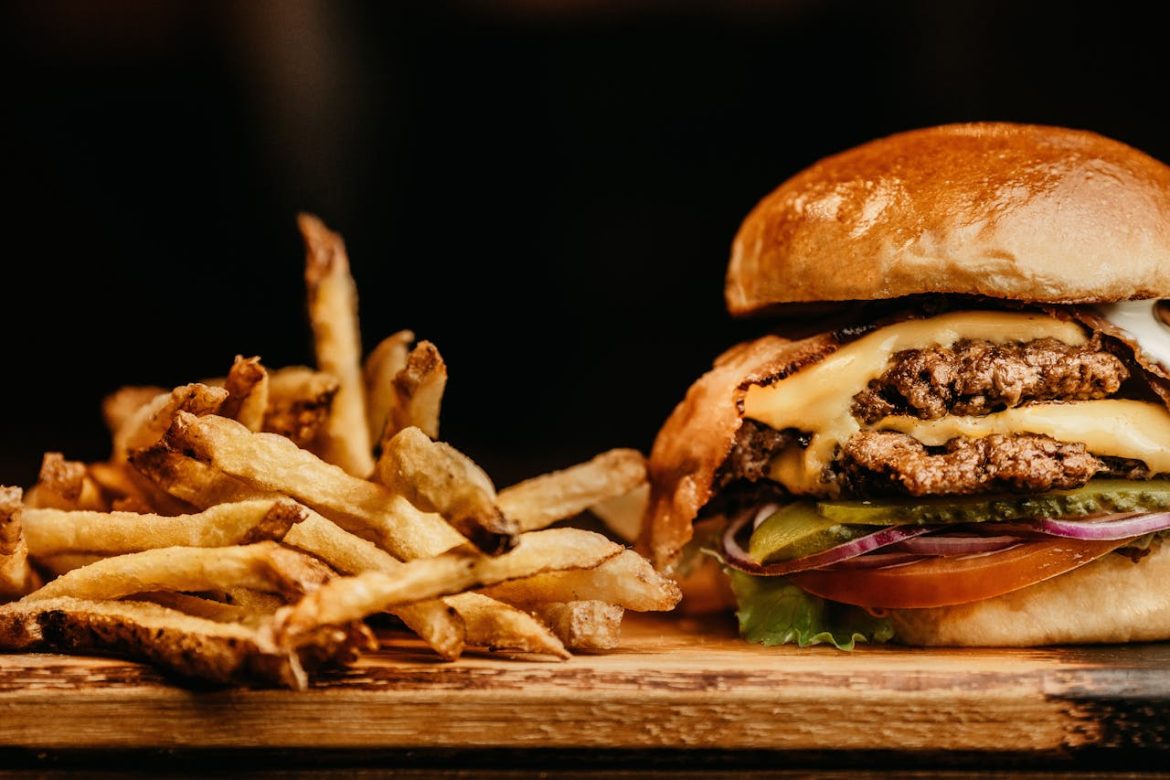
Is This a Cheeseburger?
Is it the paradise
I sang about as a child raised by Parrot Heads?
As I near the same age of that pirate, the number
my dad had when I first heard it,
that sweet harmonica wail
still transports me to Margaritaville.
But come Monday, the piles of bills stack
as high as a volcano and remind me
that it might be five o’clock somewhere,
but not here. Not yet.
But this son of a son of a sailor has salt water
running through my veins. The ocean
and changes in latitudes call my name.
Any time the grind becomes too much,
I’m knee deep in taking life too seriously,
I remember the time my child mind
picked exactly the wrong song to memorize
and sing along with in public.
Oh, the flushed faces of my parents as I crooned,
“Why Don’t We Get Drunk and Screw…”